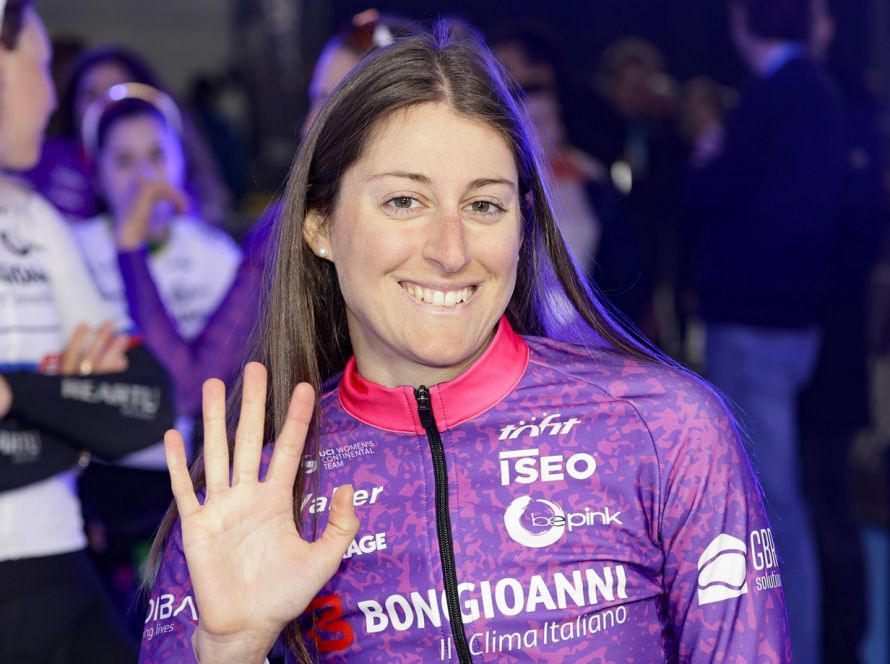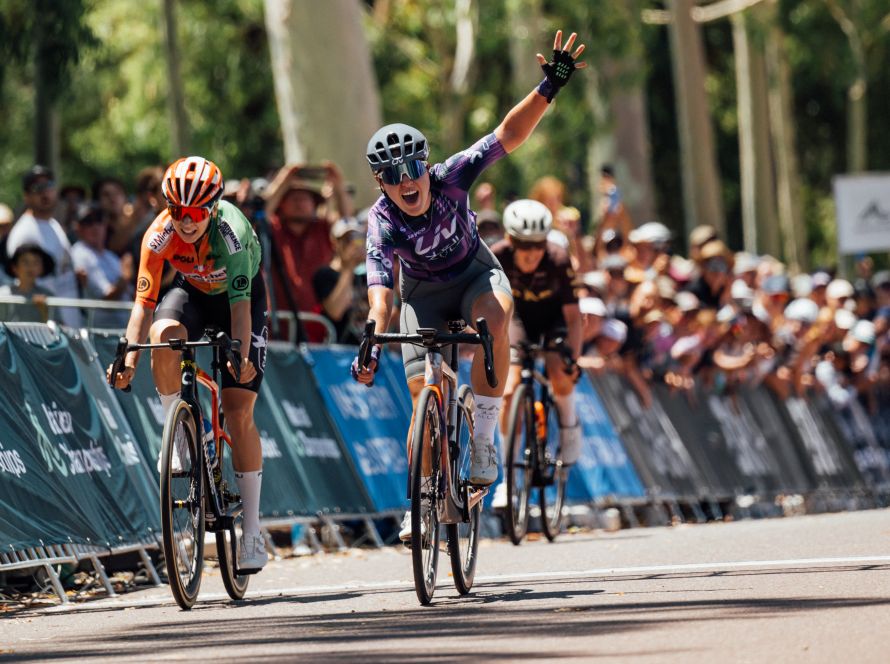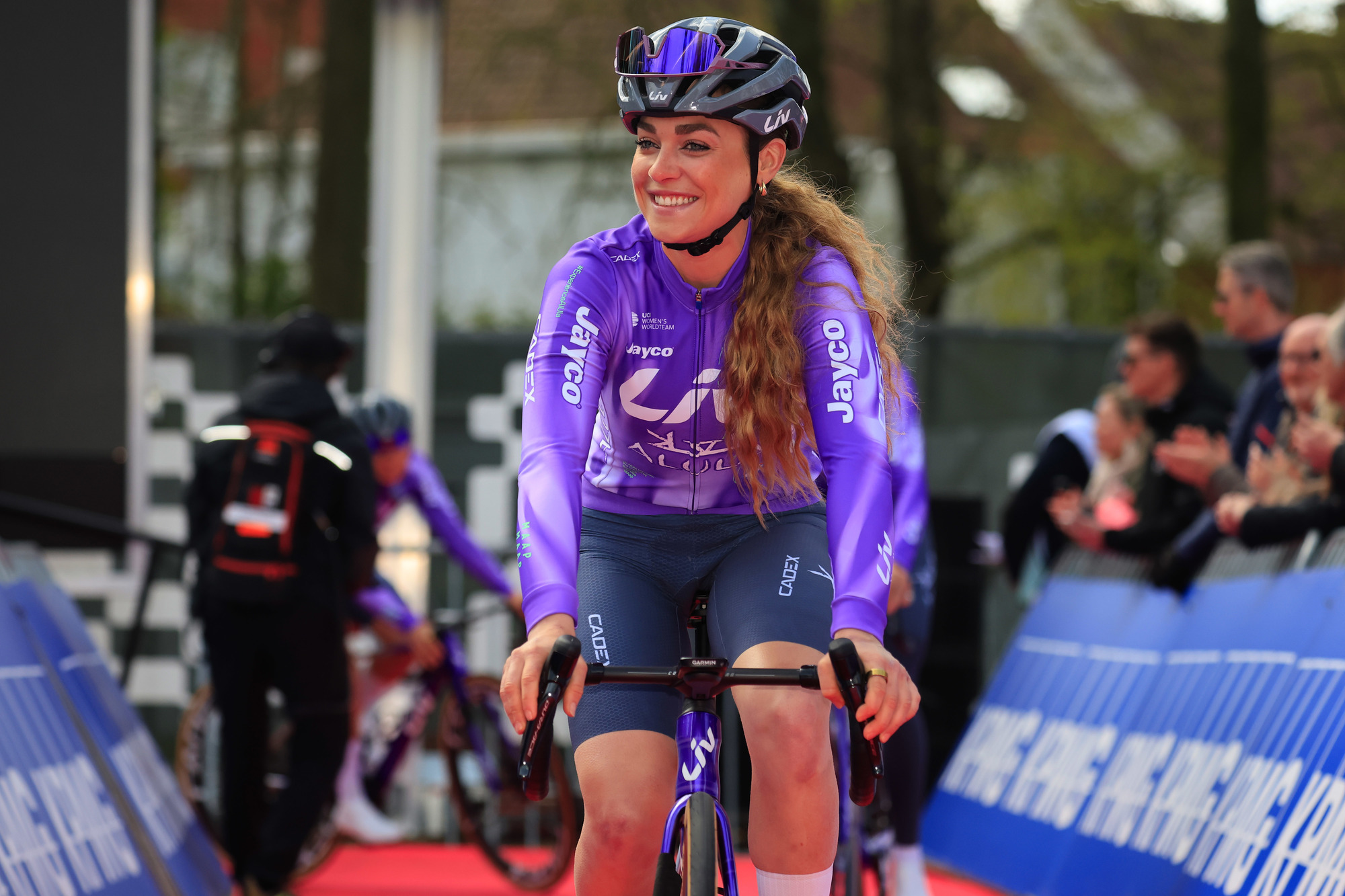
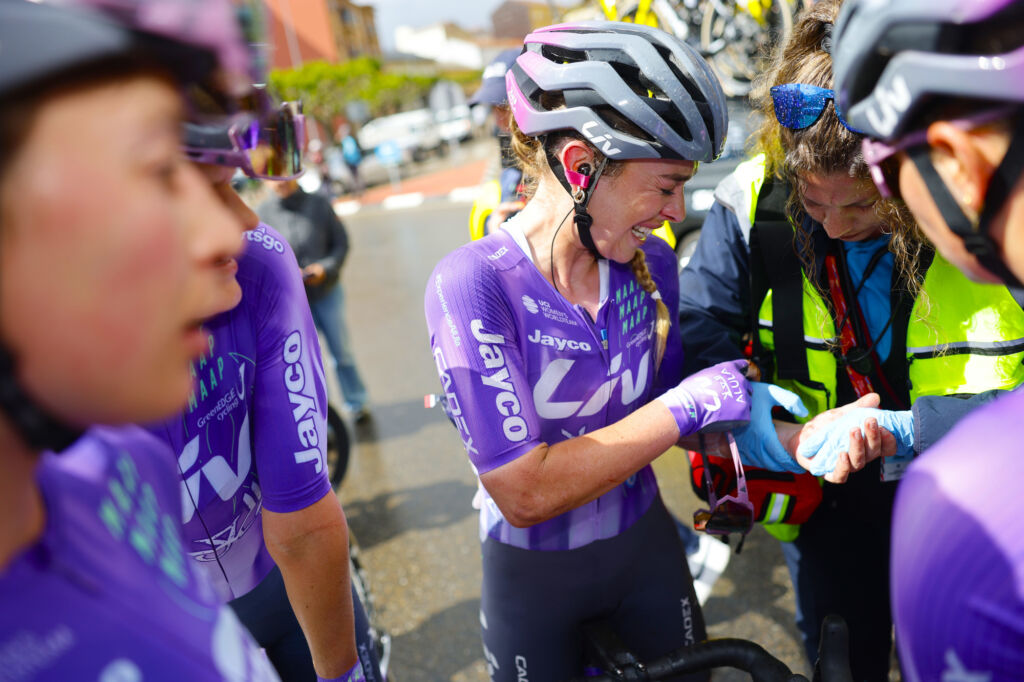
Letizia Paternoster falls, gets up, chases the group, sprints, and comes close to victory.
This is undoubtedly one of the iconic images of the last Vuelta España Femenina, which took place at the start of this month. With a spirit of sacrifice, and unrestrained grit, Paternoster embodied both the joy and pain of anyone who participates in sports. Or simply faces life head-on.
She’ll turn 27 in July, but she’s been cycling her whole life and is one of the most well-known riders on the international circuit, but let’s get to know her better.
Paternoster and the apples
Revò is a small village in the Val di Non in Northern Italy. It’s over 700 meters above sea level, has a population of just a few hundred, meadows, woods, a few cows, but above all, apple trees. Thousands of apple trees.
There’s Golden Yellow, Fuji, and Red Fruit are some of the varieties that leave the Val di Non and reach the world market. “I grew up on bread and apples,” says Paternoster.
Her parents have always grown apples, and one of the skills Letizia learned from an early age was to drive a tractor. Every year, between September and October, Letizia never misses the harvest, and it’s not uncommon to see her driving between the rows of trees.
It’s better to ride a bike than crawl
In Revò, some still remember when little Paternoster wanted to learn to swim in the village fountain and, luckily, her mother was there to save her.
“You know those kids who never sit still?” Paternoster says. “That was me as a little girl.” For such a lively little girl, the bike was a kind of revelation.
In the Paternoster family, everyone remembers how Letizia always crawled around looking for her bike and how at two and a half years old she was already riding without stabilisers to support her.
The explanation is simple: “I was eager to imitate my brother Matteo, who was a year older than me and was already pedalling.”
“No to ballet.”
At six years old, her mother gave Paternoster a tutu and she began to cry. Her fate was sealed. Little time for cartoons and plenty of sports.
There was a bit of boxing, cross-country skiing, and running with her almost-contemporary peer Nadia Battocletti – a silver medallist in the 10,000 meters at the Paris Olympics and numerous world medals – but she had one love in her head: cycling.
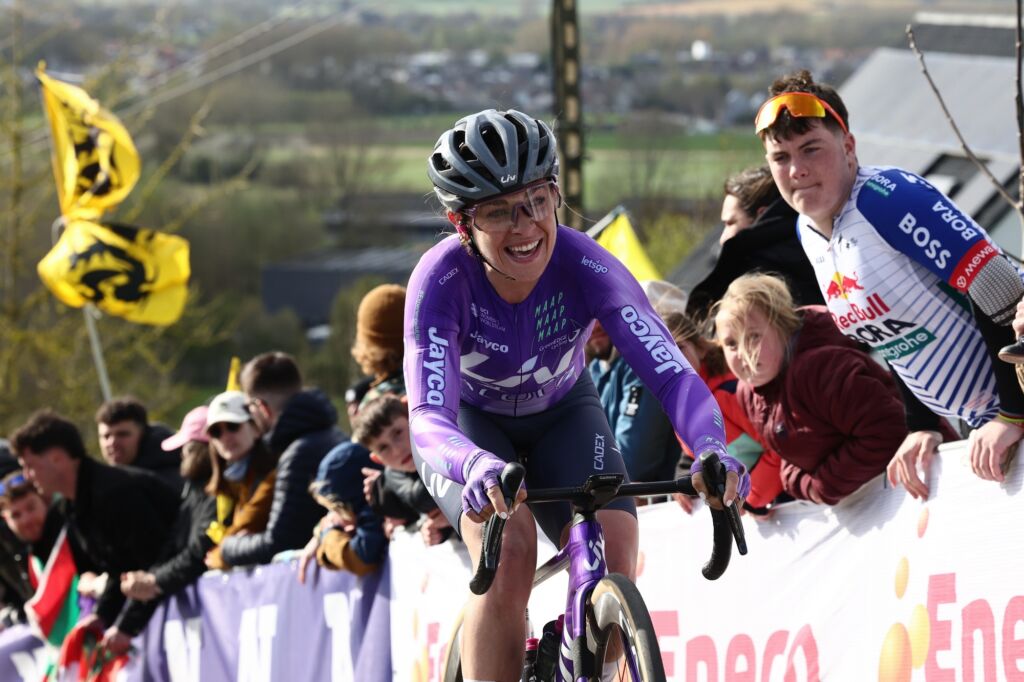
Paternoster began competing in her first races on the team of former road champion Maurizio Fondriest and immediately showed she could handle it. “The bike pedals still had cages on, but I learned to use them before many kids,” Paternoster says.
Paternoster became a young multi-discipline athlete: “I did cross-country and downhill skiing, but it was on the road and mountain bike that I gave my best. I almost always won several Italian championships, too.”
Palmarès
On July 30, 2015, Paternoster won the European Youth Olympic Festival road race in Tbilisi, Georgia, with a spirited sprint.
“It was the first time I’d been called up to the Italian national team,” she recalls, “and my debut couldn’t have gone better.”
From that moment on, Letizia continued to rack up numerous other victories, partly because, in the meantime, she had discovered she was also very strong on the track. Her track record speaks for itself: world titles and numerous European titles, not to mention the incredible number of track medals she’s won as a junior: 45 to date.
Good times, bad times
An athlete’s career is never linear. There are moments when everything works perfectly, while others are a constant disappointment. It was the same for Paternoster.
“If I had to choose the best moment,” she smiles, “it was the victory at the 2021 Track World Championships because it came after a very difficult personal moment. It was like being reborn!”
In the elimination race, she beat the very strong Belgian Lotte Kopecky and discovered that “you can always get back up” after a bad moment. She also remembers with great emotion her victory at the Women’s Tour de Luxembourg in 2018, when she managed to beat a world cycling icon like Marianne Vos.
Among the less happy moments, Paternoster recalls the post-Covid one before the 2021 Tokyo Olympics. “I was lost,” she says in a faint voice. “I no longer had any certainties, and I couldn’t see the light. It was a really bad time, but, as I’ve already said, we all have the strength to get through these moments, and so I moved on.”
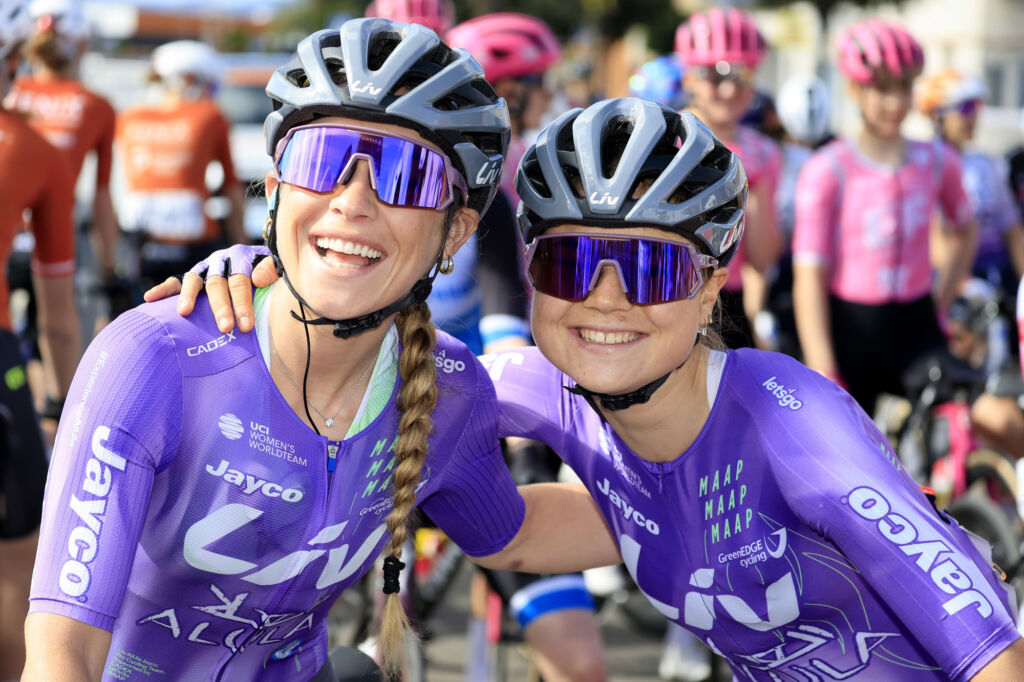
268,000
With almost 270,000 followers on Instagram, Paternoster is undoubtedly one of the most popular cyclists in the world.
“I’ve been using social media,” she says, “for over 10 years, and it’s a tool that has always fascinated me. The many people who follow me also come with a lot of responsibility. I’ve made mistakes, but now I’m much more careful about what I want to convey.”
After nearly 20 years of cycling, Paternoster would like to be seen as a positive role model, especially for the many women who have entered the world of cycling in recent years.
“For too long, cycling has been considered a strictly male sport, and I think that, thanks also to my successes, this view has now changed, and women’s cycling has shown great potential.”
Never as much as cycling, another of Paternoster’s great passions is fashion. “I love that world as much as I do design. I follow fashion shows, new trends, emerging brands, and colour combinations.”
Alongside her so-called “tomboy” side, Paternoster has always embraced her femininity and doesn’t hide it. “As a child,” she recalls, “I stole my mother’s makeup and high heels and locked myself in the bathroom to attend fashion shows. I loved it!”
In 10 years, Letizia still sees herself in cycling, but she’s not sure what role she’ll have. “Cycling is part of me. If I can, I never miss a race, whether men’s or women’s. I’d like to stay in this world; we’ll see how.”
For now, she adds, “I want to focus fully on what I do and always be proud of myself.”
Photos: Sprint Cycling